
Interactive Budget Tool
Advanced MVP Cost
Stop guessing how much your app will cost. Use our interactive estimator to calculate the exact budget needed to build, design, and launch your Minimum Viable Product using enterprise No-Code infrastructure.
Build Your Estimate.
Select your rigorous technical requirements below. The engine calculates based on No-Code development speeds.
The App Development Black Box.
Why do traditional agencies refuse to give you straight answers on pricing?
The Hourly Trap
Traditional agencies bill by the hour. This incentivizes them to write complex code slowly, inflating your final bill by tens of thousands.
Scope Creep
Without a strict blueprint, developers "discover" new technical hurdles halfway through the build, holding your app hostage for more money.
Maintenance Extortion
Custom-coded apps require massive monthly retainers just to keep the servers running and fix ongoing bugs.
How We Calculate Your Costs.
We don't pull numbers out of thin air. Our MVP pricing model is based entirely on the complexity of the visual architecture.

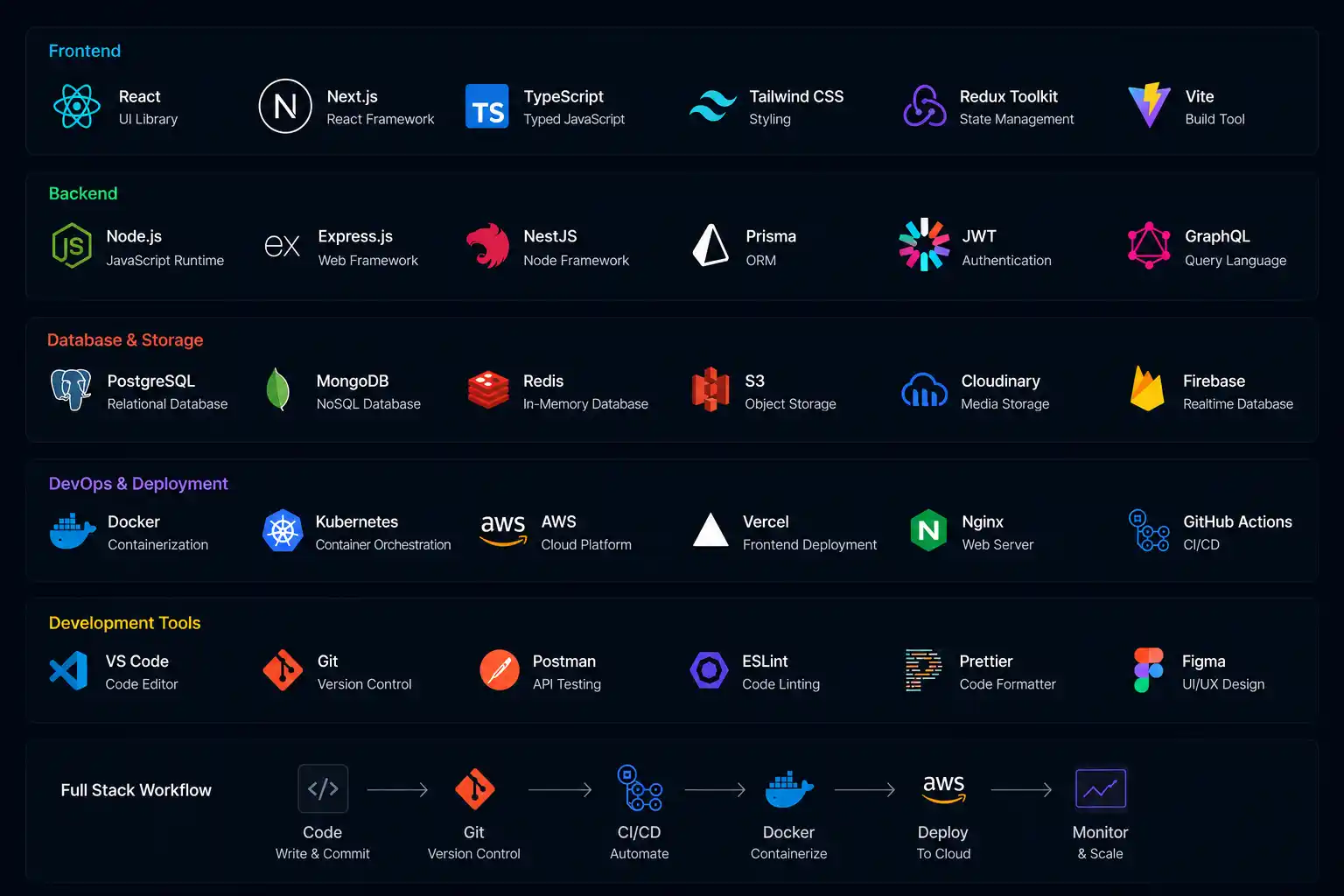
Feature Complexity: An AI integration takes more logical routing than a simple user profile page.
Design Fidelity: Using pre-built UI components saves money. Custom Figma design systems increase the budget.
Database Scale: Connecting to an enterprise Xano backend costs more than a built-in Bubble database.
Our Pricing Philosophy
100% Flat-Rate Pricing
Once we agree on the Statement of Work (SOW), the price is locked. If it takes us an extra week to perfect a feature, we eat the cost, not you. Total financial safety for founders.
The No-Code Discount.
See why visual development is destroying traditional software agency pricing models.
Development Approach
Traditional (React/Swift)
Offshore Freelancers
Elite No-Code Agency
Average Time
6 - 12 Months
Unpredictable
4 - 8 Weeks
Average Cost
$80k - $200k+
$5k - $15k
$10k - $30k
Resulting ROI
Low (High risk of failure)
Very Low (Code often broken)
Extremely High
The 4 Hidden Costs of App Development.
Factors most founders forget to budget for.
Third-Party API Costs
Using OpenAI to generate text, or SendGrid to send emails? These API services charge micro-fractions of a cent per use that add up at scale.
Deep Dive: What drives the price?
Factor 1: Design Complexity
If you just need a functional internal tool, we use standardized UI libraries (cheap & fast). If you are building a consumer-facing SaaS that needs to beat Apple in aesthetics, we must build a custom design system in Figma.
Standard UI components save thousands.
Custom 3D assets and GSAP animations increase cost.


Factor 2: Feature Architecture
A simple blog is cheap. A two-sided marketplace where buyers pay sellers and the platform takes a 10% commission requires highly complex, secure logic (Stripe Connect). The more complex the math, the higher the price.
Single-tenant vs Multi-tenant SaaS architecture.
Third-party API integrations (e.g., pulling live stock data).
Factor 3: The Tech Stack
Building a Webflow marketing site is relatively fast. Building a native iOS and Android application on FlutterFlow requires navigating strict App Store guidelines, push notifications, and device permissions.
Web Apps (Bubble) are generally the most affordable.
Native Mobile (FlutterFlow) requires more compliance work.
Calculators are great, but talking to an architect is better. Book a free 30-minute scoping call.
Budgets by Funding Stage.
How much startups typically spend based on their current phase.
Bootstrapped / Pre-Seed
$10,000 - $18,000
Focus is strictly on proving the concept. Zero fluff. You need a functional V1 to get your first 100 paying users or to show to Angel investors.
Seed Funded
$20,000 - $45,000
You have funding and need to scale. Requires high-fidelity UX design, custom backend architecture (Xano), and complex feature sets.
Series A+ (Enterprise)
$50,000+
Massive scale. Requires penetration testing, strict SOC2 compliance, multi-platform deployments, and ongoing fractional CTO support.
Real Investments. Massive Returns.
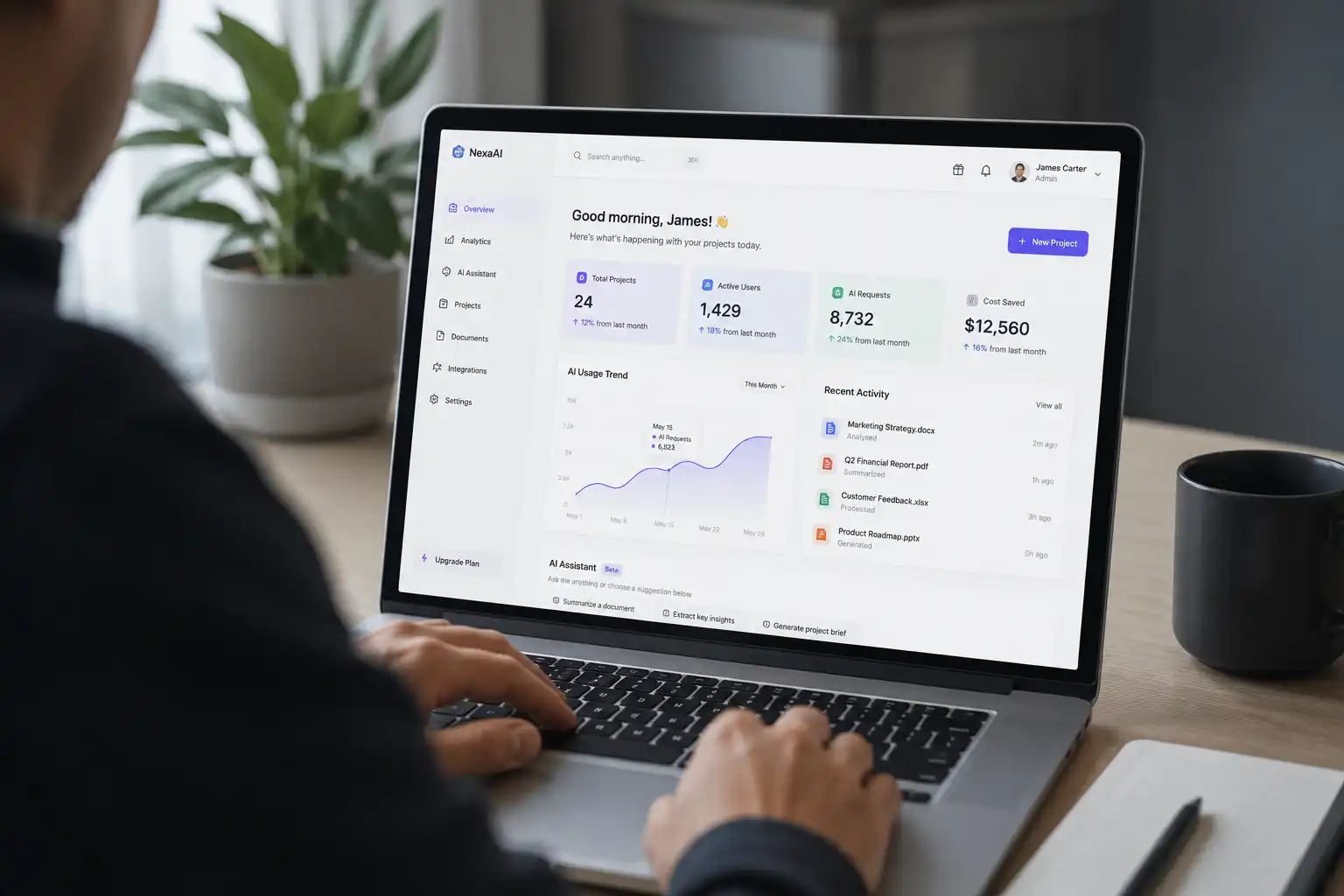

Cost: $22,000
Lumina Talent Marketplace
A complex two-sided marketplace. A traditional agency quoted them 8 months and $110k. We built it using No-Code in 8 weeks.
$88k
Saved on Quote
10k+
Users Acquired

Our Financial Guarantees.
You Have Your Estimate. What Happens Next?
Step 1
Discovery Call
We review your calculator results and dive deep into your business goals to ensure the features match your vision.
Step 2
Firm Proposal
Within 48 hours, we deliver a legally binding proposal, exact timeline, and technical architecture blueprint.
Step 3
Kickoff & Design
Upon deposit, we begin the UI/UX Figma prototyping phase. You approve the look before we build.
Step 4
Visual Engineering
We build the app in Bubble or FlutterFlow. You get weekly video updates until launch day.
Pricing FAQ
Why is No-Code so much cheaper than custom code?
When a developer types code manually, it takes hundreds of hours to build basic things like a login screen or a database table. Visual engineering platforms (like Bubble) have these foundations pre-built. We spend our time architecting your unique business logic, not reinventing the wheel.
Do I have to pay the full amount upfront?
No. We typically structure payments in milestones. A standard project is 50% upfront to begin architecture/design, 25% upon approval of the visual prototype, and 25% upon final QA and deployment.
Are there ongoing monthly costs?
You will need to pay the hosting fees for the platforms your app lives on (e.g., Bubble is ~$30-$100/mo, Xano is ~$85/mo). Our agency does not charge mandatory retainers, though many clients choose to hire us on a monthly basis for ongoing feature development.
What if I want to change a feature halfway through?
We define the scope strictly in Phase 1 to avoid this. If a major pivot is required mid-build, we submit a "Change Order" detailing the exact cost and timeline addition before proceeding.
Ready to turn that estimate into reality?
Don't let technical limitations hold your startup back.